Released 16th June 1972​

Re-make/Re-model

Ladytron

If There Is Something

2HB

The Bob (Medley)

Chance Meeting

Would You Believe

Sea Breezes

Bitters End

On its release on June 16th, 1972, ‘Roxy Music’ was hailed by critics and music fans alike as a debut album that was as artistically controversial as it was aggressively modern: a bravura collage of impeccably nuanced styles, thunderously delivered, which announced a whole new chapter in the history of rock and pop music.

Heard today, ‘Roxy Music’ remains as secure in its iconoclasm as ever. It is a record in which sensual romanticism, driving rock n roll and super-cool, machine like impersonality are merged to create a dazzling musical alloy, as lustrous as it is synthetic and as close to knowing melodrama as it is to the accelerated glamour of futurism.


 From the instantly electrifying, staccato keyboard chords of the album’s opening track – a short, dizzying runway to the ascending switch-back logic of the record’s first lyric, “I tried but I could not find a way…” – through to the poised, grand cafe concerto languor of its close, (suavely self-assessing, “Should make the cognoscente think…”), ‘Roxy Music’ presents the listener with a fully realised musical and stylistic world. 


 You might compare the creative ideals of its achievement to the fusion of art and technology in the great Hollywood musicals. At the same time, you could compare the razor’s edge and scything momentum of its musical temper to the recordings of The Velvet Underground.

Tony Tyler, reviewing the record in the ‘New Musical Express’, summed up the critical enthusiasm which greeted its release:

 “…this is the finest album I’ve heard this year and the best ‘first’ I can EVER remember!” 

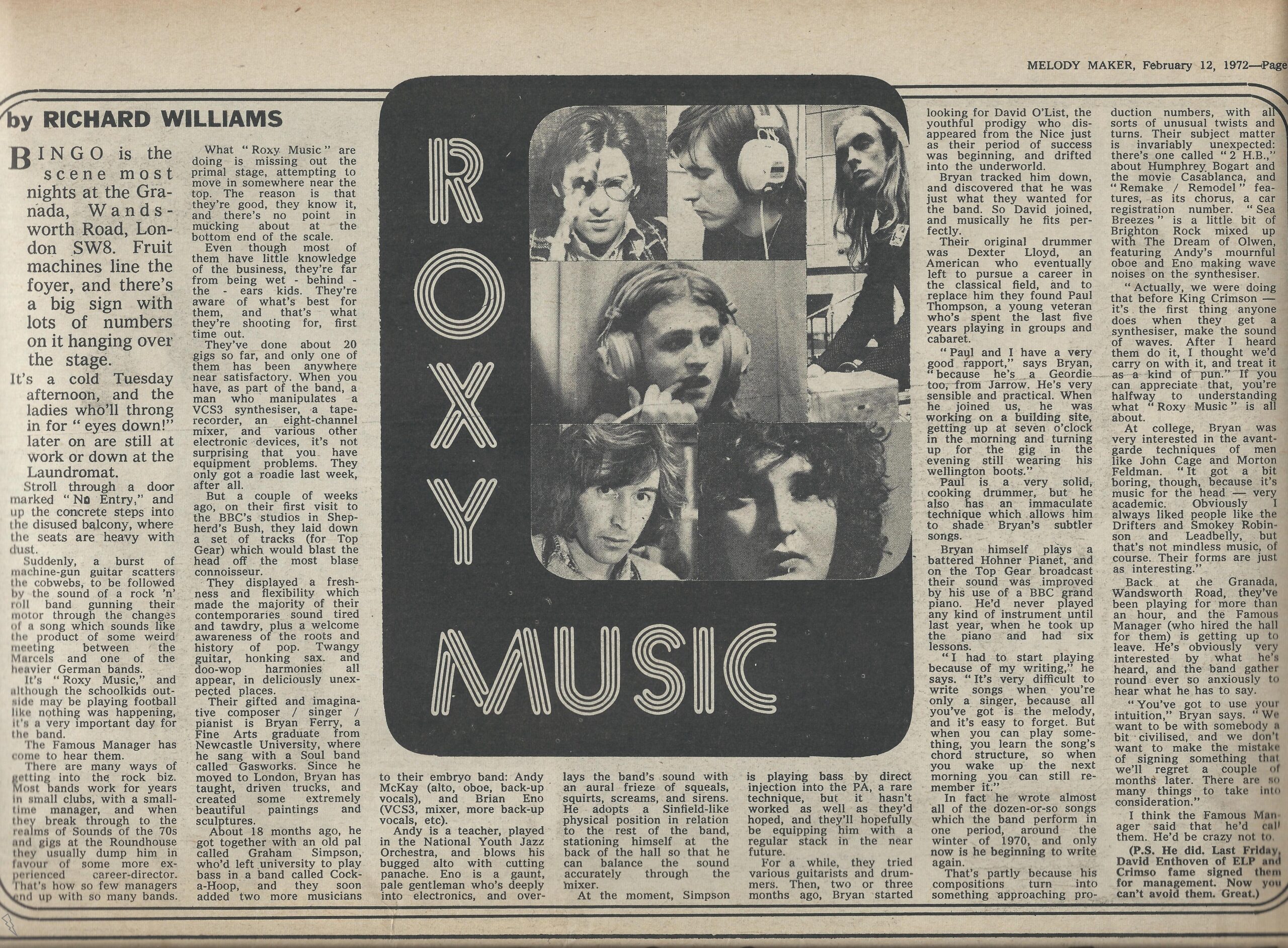
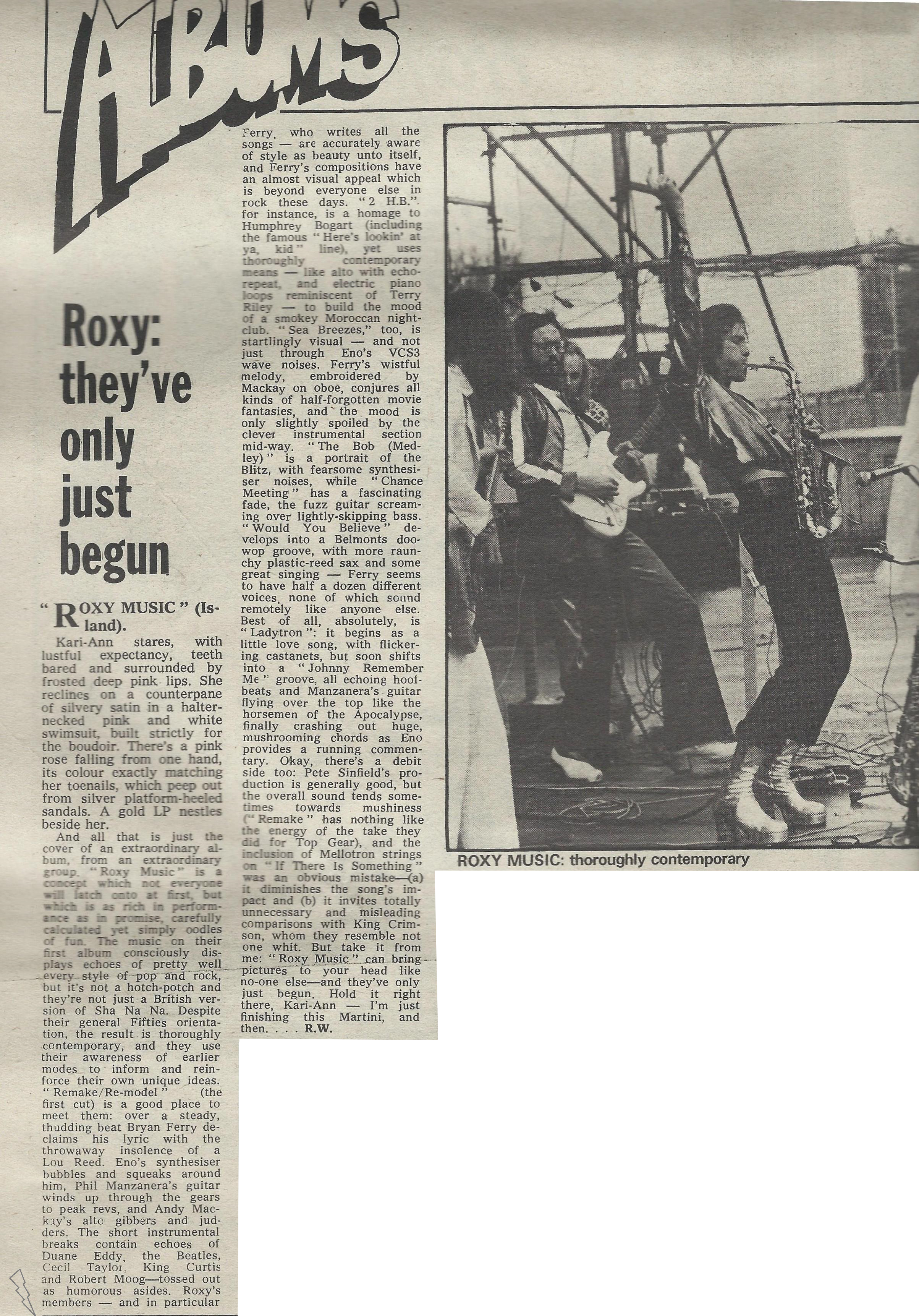
In the ‘Melody Maker’, Roxy Music’s earliest critical champion, Richard Williams, introduced the sheer innovative power of the group to his readers – no easy task, given the complex, visceral, intensely (and intentionally) stylised yet somehow effortlessly cool allure of their music: “‘Remake/Re-model’ (the first cut) is a good place to meet them:” he wrote, “over a steady, thudding beat Bryan Ferry declaims his lyric with the throwaway insolence of a Lou Reed. 

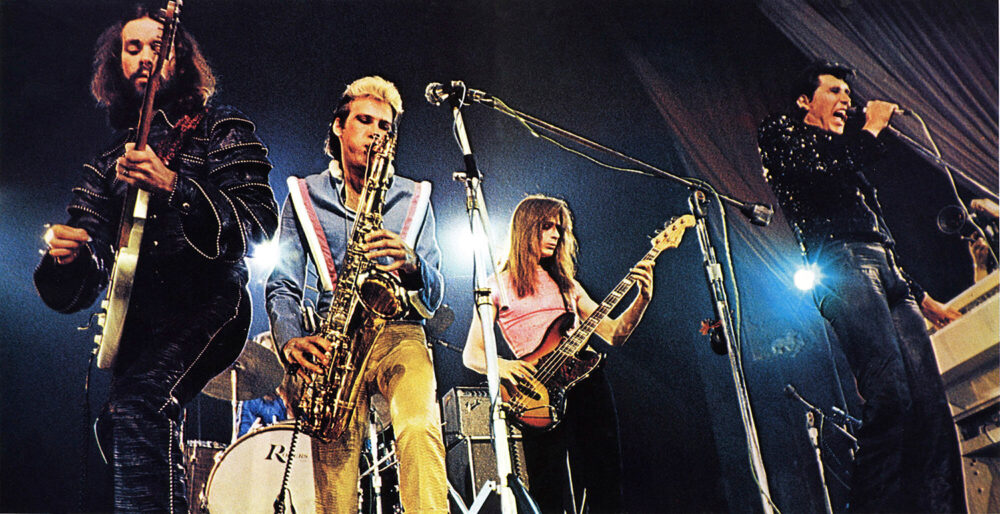
Eno’s synthesiser bubbles and squeaks around him, Phil Manzanera’s guitar winds up through the gears to peak revs, and Andy Mackay’s alto gibbers and judders. The short instrumental breaks contain echoes of Duane Eddy, the Beatles, Cecil Taylor, King Curtis and Robert Moog – tossed out as humorous asides…”

RM3

Williams was the first critic to identify and appreciate how ‘Roxy Music’, and in particular it’s opening track, ‘Re- make/Re-model’, was both pop and rock music at its most passionate and thrilling, and a brilliantly conceived artistic manifesto, derived from a fusion of ‘high’ art and popular culture. In this, both Roxy Music the group, and ‘Roxy Music’ as a debut album, had been written and conceived by Bryan Ferry in a manner which also resembled the authorship of a book, the directing of a film, the making of an individual work of art and the curatorial organization of an exhibition.

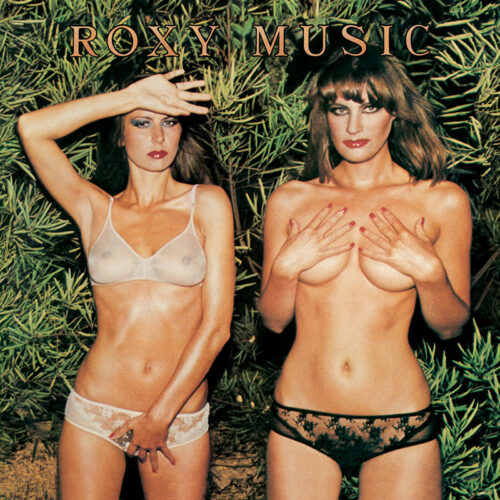
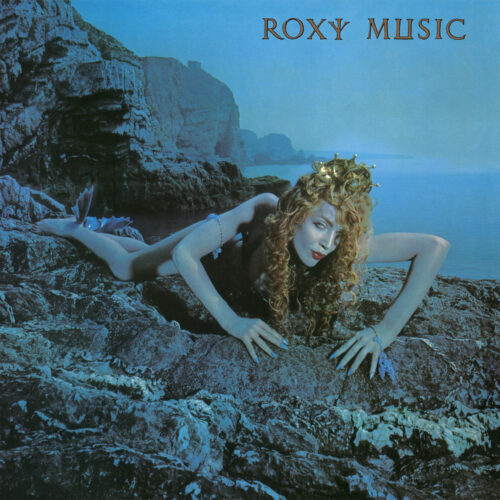
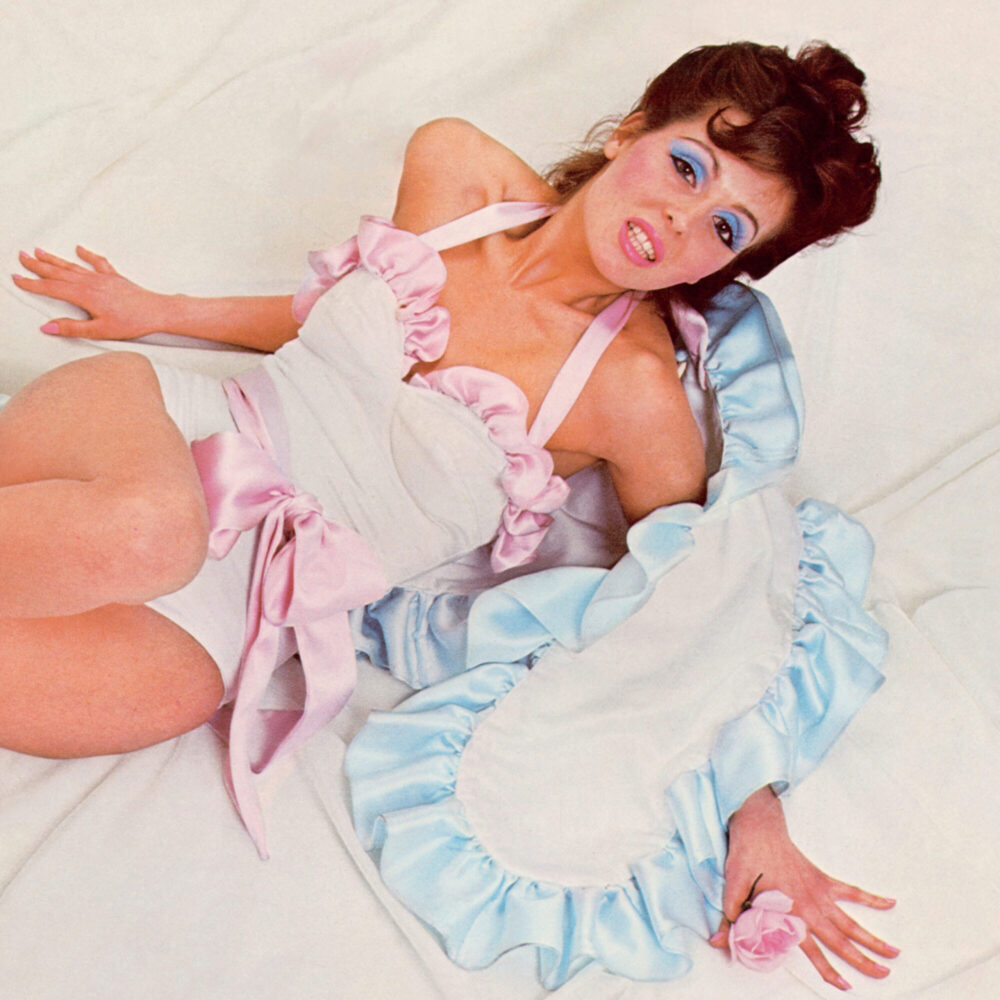
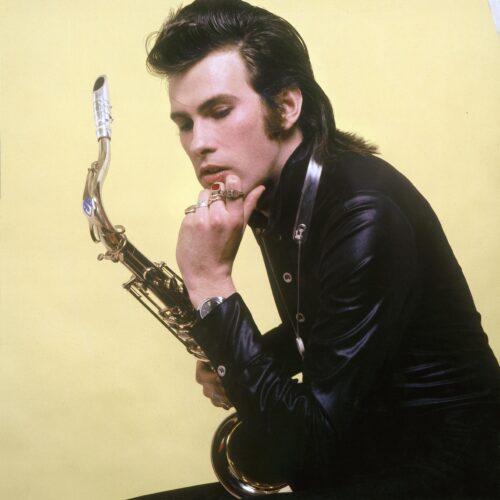
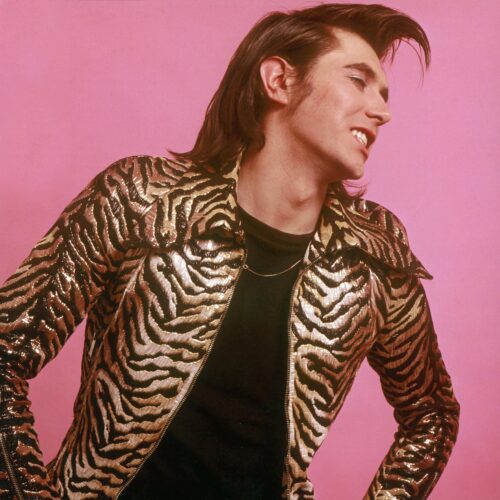
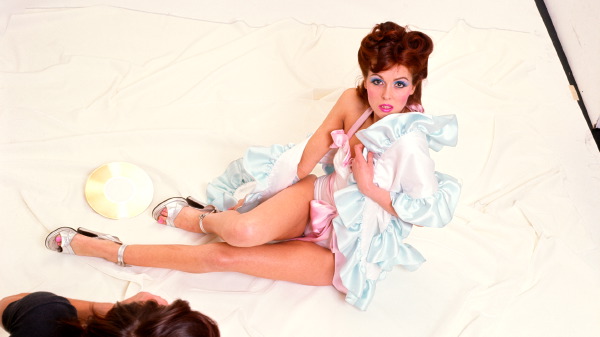
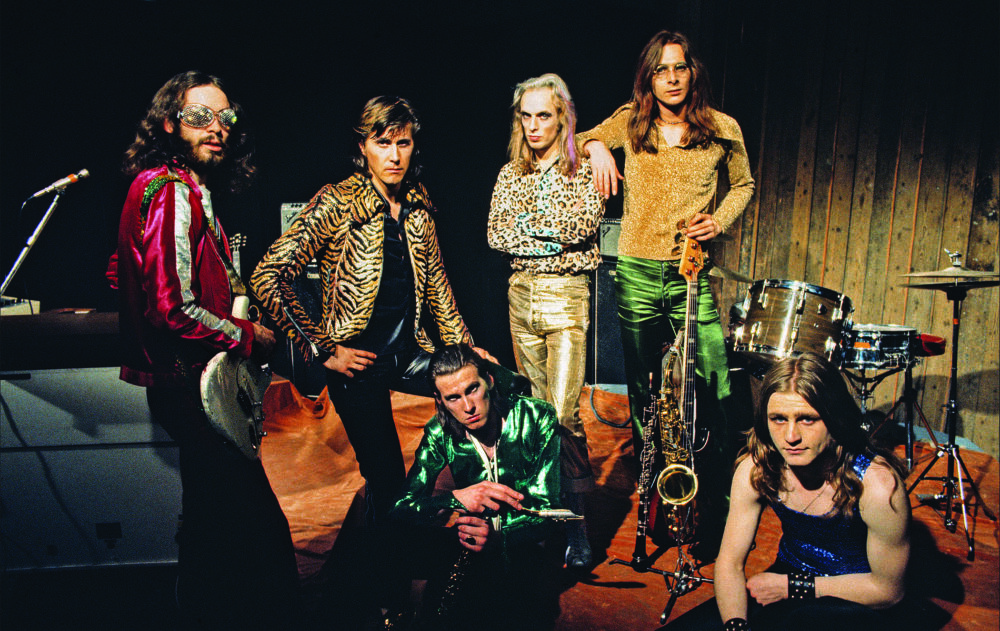
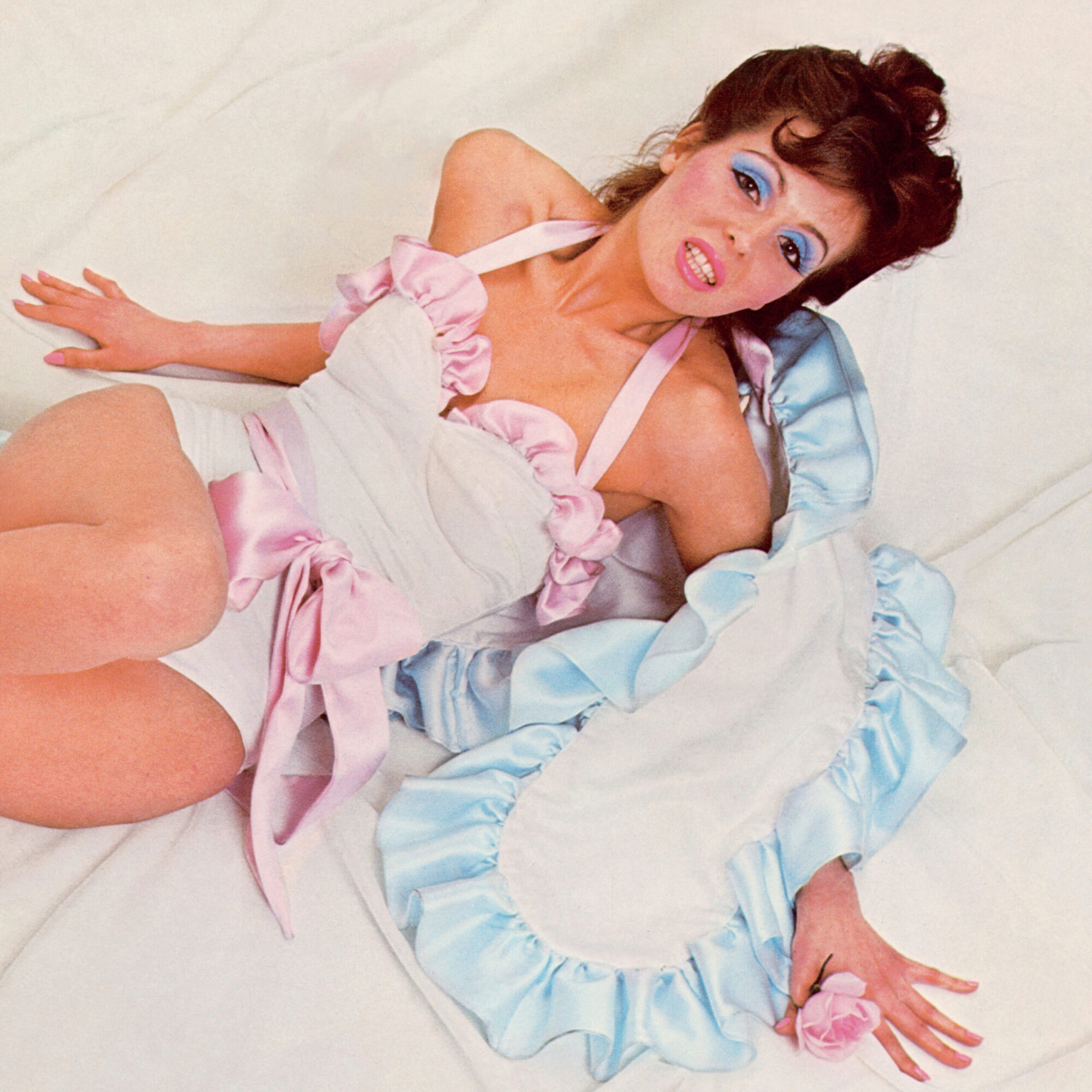
The record’s cover and the appearance of the musicians were as much a statement as the music itself, foregrounding a meticulously styled (in the days long before stylists) and time-travelling glamour, that was part Pop art and part retro-futurist dandyism.

As Bryan Ferry has subsequently explained, one of the keys to ‘Roxy Music’s supreme stylishness was its rejection of any one particular style in favor of an entire range of styles – musically collaged into new forms and new shapes that were as seductive as they were audacious, meticulously re-configured through sudden tempo changes (as in the epic, ‘If There Is Something’) or the eerie filmic ambience (sonic mist, so to speak) created by Eno’s synthesizer treatments (at their most intense, perhaps, on ‘The Bob Medley’.)

What ‘Roxy Music’ achieved was a determined conflation of seemingly opposed influences –psychedelic rock, French chanson, the classical avant-garde, bubblegum Americana, English pastoral, Fifties doo-wop and even music hall burlesque. At its most refined, ‘Roxy Music’ is a perfect marriage of American glamour and European intellectualism.

Ferry would cite Duke Ellington as one of his inspirations: a musician, composer and band leader who had selected players who could add specific colours and stylistic shading to the overall sound, in rather the same way that a visual artist might select a particular palette. Ferry would also, with disarming directness, cite the singer Smokey Robinson and the legendary French conceptual artist, Marcel Duchamp, as further influences and inspirations – and of equal importance – in his creation of Roxy Music.

The result was a group and a record that seemed to enter the world fully formed, pristine, glossy, flawless, not a little arrogant, posed, virtuoso, hip-flicking and utterly self assured. Small wonder that the leading US critic, Lester Bangs, would describe ‘Roxy Music’ as “the triumph of artifice”; small wonder, too, that in a subsequent interview for the American press, Bryan Ferry would audaciously but accurately describe the group he had created as “a state of mind”.

Brian Eno, whose contribution to the first two Roxy Music albums would be immense, subsequently offered a further, typically astute summary of the group’s achievement: “I have never thought that pop and rock music are about making music in the traditional sense of the word; they are about creating new, imaginary worlds, and inviting people to join them.”

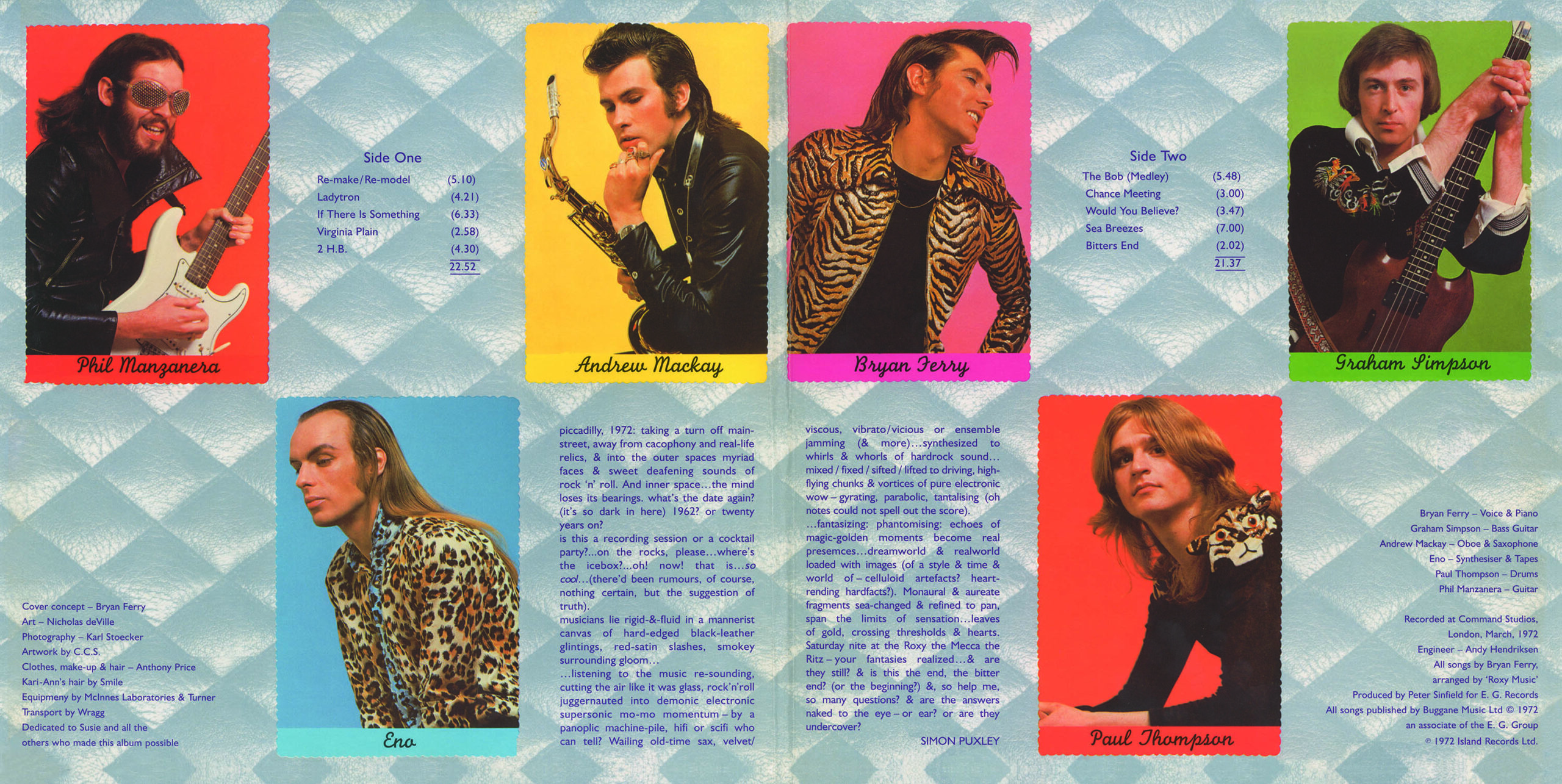
In his original liner notes for ‘Roxy Music’, the group’s first publicist, Simon Puxley (a writer and academic, with specialist interest in Victorian literature) came closest to giving a written description of the “state of mind” that Ferry had alluded to and the “new, imaginary world” of Brian Eno’s definition. 

Puxley borrowed the vertiginous, breathless and fluid prose style of both American ‘beat’ writing and ‘society’ reportage to get the tone – achieving a near perfect literary reflection, in stylistic terms, of the music and group he was describing: “…musicians lie rigid-&-fluid in a mannerist canvas of hard-edged black-leather glintings, red-satin slashes, smokey surrounding gloom… “; or: “… listening to the music re-sounding, cutting the air like it was glass, rock n roll juggernauted into demonic electronic supersonic mo-mo-momentum – by a panoptic machine-pile, hi-fi or sci-fi who can tell?”


Faced with the timeless modernity of ‘Roxy Music’ and the record’s tireless influence on generations of musicians and artists, as joyous as it is instructive, the style and dramatic insight of Simon Puxley’s salute to the album has never been equalled and should stand to introduce them.

– Michael Bracewell 2010


BRYAN FERRY:

I started putting the band together in 1970 when I began working with Graham Simpson, who had played in my college band ‘The Gas Board’. Later that year I met Andy Mackay and he joined us with his synthesizer and oboe, and later saxophone. At this point I was writing the songs on piano and at the same time trying to put together the band to play them. We didn’t have a tape recorder, so Andy suggested his friend Brian Eno could come and record us. Eno brought his huge reel-to-reel Ferrograph machine, and ended up staying on and becoming part of the band, using Andy’s VCS3 synthesizer to create sounds and treat the instruments we were playing. We hit it off, and by the time we started recording the album we had the complete band. 

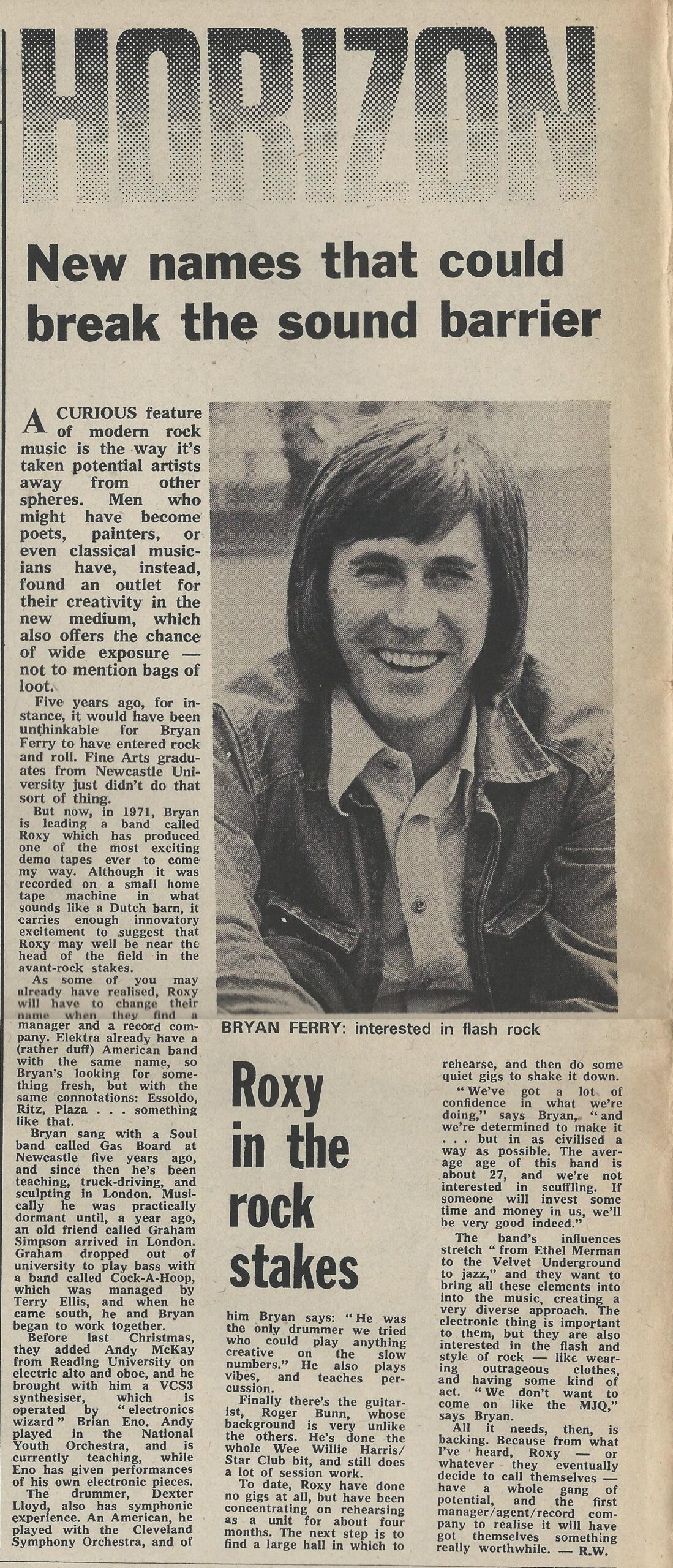
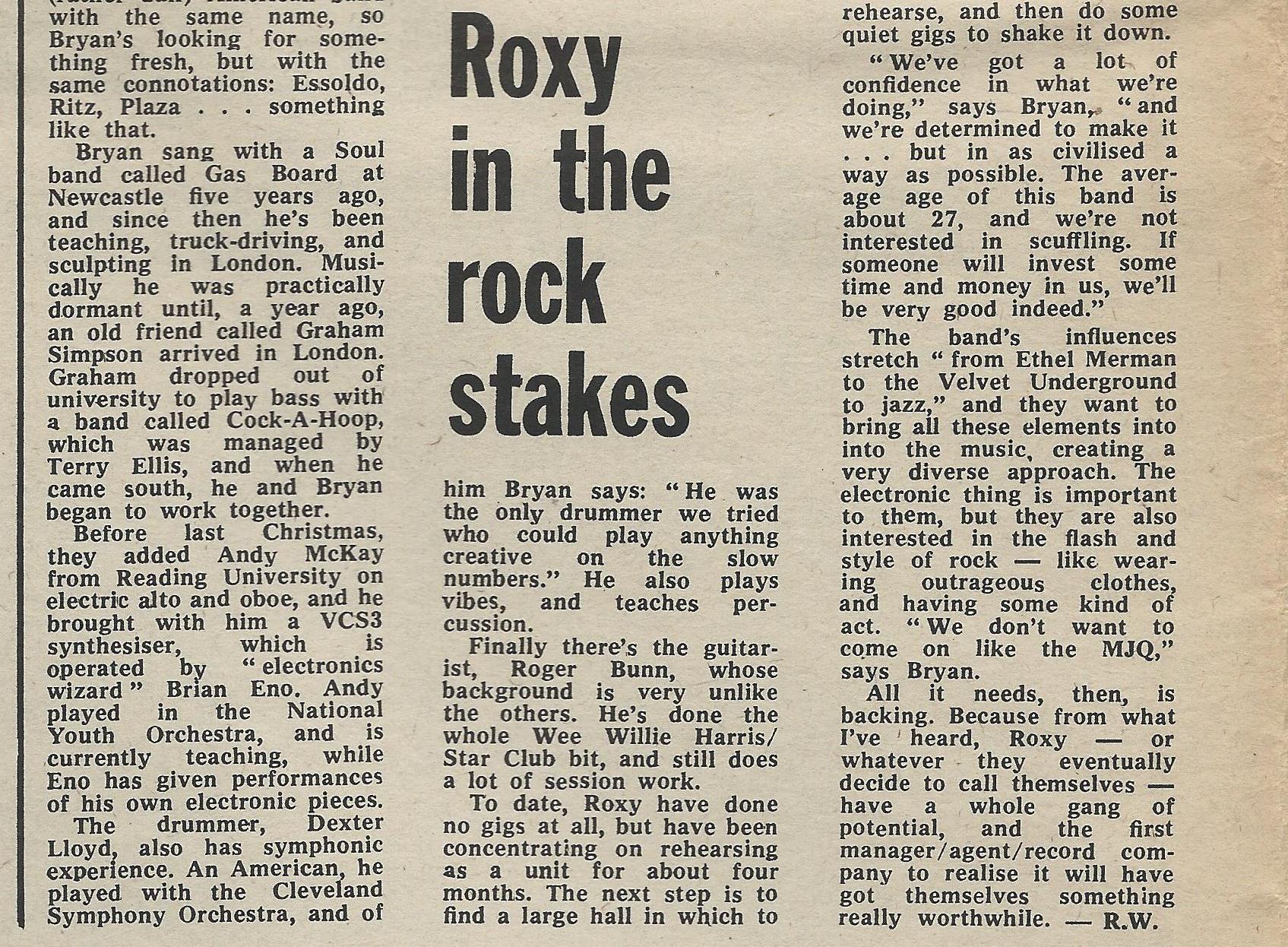
Click on these newspaper cuttings to expand and double click for zoom

I liked many kinds of music, so stylistically I was keen for the songs to be wide-ranging and not follow one particular channel. I was lucky with this band in that we had so many different sounds to play with, and it was a great opportunity for me to write interesting stuff. Consequently, the first album was an exploration of many styles and so diverse that it indicated many different futures the band could follow. The first Roxy album is an unusual collage of musical elements, and the songs themselves, if you break them down, are just simple experiments in different genres. 

This was the first album that any of us had made.
We were all hungry to learn and new to the experience of being in a recording studio.

It was a dream come true to be able to do this.

EG Management signed us up to Island Records, and they brought in Pete Sinfield from King Crimson to produce us. He seemed to be ideal, very enthusiastic and cheerful. The whole process was a delight. The record was made in a rather bizarre place called Command Studios on Piccadilly, an old movie theatre. How appropriate.

Previous slide
Next slide

Musicians

Bryan Ferry
Vocals, Piano, Hohner Pianet, Mellotron

Phil Manzanera
Electric Guitar


Brian Eno
VCS3 Synthesizer, Tape Effects,
Backing Vocals

Paul Thompson
Drums

Rik Kenton
Bass Guitar

Andy Mackay
Oboe, Saxophone
Backing Vocals

Graham Simpson
Bass

Production Credits

Roxy Music
Arrangement


Peter Sinfield
Production


Andy Hendriksen
Engineering, Mixing


Play Video
Play Video
Play Video
Play Video

Listen on Spotify

(you have to be logged in to hear the full tracks) 

Discography